
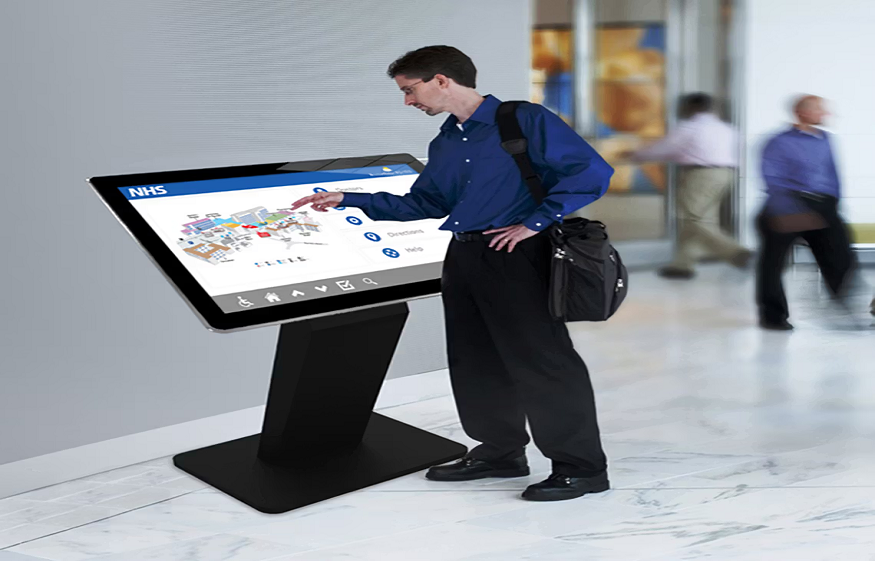
In the rapidly evolving landscape of retail, the traditional brick-and-mortar store is undergoing a transformation to meet the changing demands and preferences of modern consumers. One innovative solution that has emerged to address the challenges of foot traffic management and customer engagement is the integration of touch screen kiosks. These interactive digital screens offer retailers a powerful tool to streamline operations, reduce congestion, and enhance the overall shopping experience. In this article, we explore how touch screen kiosks are revolutionizing, by empowering customers with self-service capabilities. Let’stake a look.
1 Create A Virtual Showroom
Touch screen kiosks serve as virtual assistants, guiding customers through the product discovery process with ease and efficiency. Instead of wandering aimlessly through aisles in search of specific items, shoppers can use interactive kiosks to browse product catalogues, check availability, and locate items within the store. By providing instant access to information, including product descriptions, specifications, and customer reviews, kiosks empower customers to make informed purchase decisions without the need for assistance from store staff. This streamlined approach to product discovery minimizes foot traffic in retail spaces, reducing congestion and improving the flow of shoppers throughout the store. Touch screen kiosks are also extremely beneficial for business with less space, as they allow customers peruse the full extent of your product catalogue, without the products themselves taking up room.
Read More: Why One-Size-Fits-All Homes Are Falling Out of
2 Reduce Queues and Congestion
Touch screen kiosks offer customers convenient self-service options for various tasks, such as checking out, placing orders, or scheduling appointments. Instead of waiting in long queues at the checkout counter or service desk, customers can use kiosks to complete transactions quickly and efficiently. Whether it’s scanning items for purchase, processing payments, or printing receipts, self-service kiosks streamline the checkout process, enabling customers to complete their transactions with minimal waiting time. By offering self-service options, retailers can reduce the need for additional staff to manage queues, freeing up resources to focus on other aspects of customer service. An example of the benefits of self-service can be seen with the touch screen kiosks used in fast food restaurants, which provide customers with another option for ordering their food, and help to organise queuing.
3 Interactive Product Customization To Personalise Shopping
For retailers offering customizable products or services, touch screen kiosks provide a platform for interactive product customization. Customers can use kiosks to personalize their purchases by selecting options such as size, colour, and design, thereby creating unique and bespoke products tailored to their preferences. Whether it’s designing custom apparel, creating personalized gifts, or configuring bespoke furniture, interactive kiosks empower customers to unleash their creativity and express their individuality. By offering interactive product customization, retailers can differentiate themselves from competitors, drive customer engagement, and increase sales while minimizing foot traffic in retail spaces.
4 Seamless Click-and-Collect Services:
Touch screen kiosks help to facilitate seamless click-and-collect services, allowing customers to order products online and pick them up in-store at their convenience. By placing orders through kiosks or mobile apps, customers can bypass traditional delivery options and opt instead for in-store pickup, which eliminates the need for prolonged visits to retail locations. Upon arrival, customers can use kiosks to retrieve their orders quickly and efficiently, reducing wait times and minimizing congestion at customer service desks. Click-and-collect services offer retailers a cost-effective solution for fulfilling online orders while enhancing the overall shopping experience for customers. Many consumers will always choose the more convenient option, and touch screen kiosks can help make your business the easier choice.
5 Interactive Wayfinding and Navigation:
In large retail spaces such as department stores or shopping malls, finding specific products or departments can be a daunting task for customers. To help with this, touch screen kiosks offer interactive wayfinding and navigation solutions, guiding customers to their desired destinations with ease. By entering search queries or scanning product barcodes, customers can receive step-by-step directions to locate items within the store, reducing the time spent searching and minimizing foot traffic in crowded areas. Interactive wayfinding kiosks can enhance the overall shopping experience by providing customers with a user-friendly tool to navigate retail spaces efficiently.
6 Enhanced Customer Engagement and Loyalty:
Customising the consumer experience can help to encourage repeated visits to your business space. Touch screen kiosks serve as interactive touchpoints for engaging customers and fostering brand loyalty. By offering interactive content such as product demonstrations, tutorials, or virtual try-on experiences, kiosks provide customers with valuable information and entertainment while they shop. Additionally, retailers can leverage kiosks to collect customer feedback, promote loyalty programs, or offer personalized recommendations based on past purchase history. By engaging customers at multiple touchpoints throughout the shopping journey, retailers can strengthen brand relationships, drive repeat business, and increase customer loyalty while minimizing foot traffic in retail spaces.
7 Data-Driven Insights and Analytics:
Touch screen kiosks generate valuable data and insights that retailers can leverage to optimize operations and improve the overall shopping experience. By tracking user interactions, how long they spend in the store, and transaction histories, retailers can gain valuable insights into customer behaviour and preferences. This data-driven approach enables retailers to identify trends, analyse performance, and make informed decisions to enhance the effectiveness of their touch screen kiosk strategies. This data can also inform the quality of the products themselves, as you refine your By harnessing data analytics, retailers can continually refine and optimize the customer experience, driving greater efficiency and minimizing foot traffic in retail spaces.
Read More: Why Timely Residential Snow Removal Services
For wider commercial, hospitality, or public-facing projects, small supporting details can make the finished space feel more complete. Composite decking can provide a durable, low-maintenance surface for terraces, entrances, outdoor seating areas, and customer-facing spaces; while hand dryers can support cleaner, more efficient washroom facilities; while traditional signage can add character, direction, and brand presence; while digital signage can share changing information, promotions, menus, or wayfinding updates clearly.
In conclusion, touch screen kiosks are revolutionizing the retail industry by minimizing foot traffic and enhancing the overall shopping experience for customers. By offering efficient product discovery, convenient self-service options, interactive product customization, and seamless click-and-collect services, touch screen kiosks empower customers with the tools they need to navigate retail spaces efficiently and complete transactions with ease. Additionally, interactive wayfinding and navigation solutions, enhanced customer engagement and loyalty initiatives, and data-driven insights and analytics further highlight the effectiveness of touch screen kiosks in optimizing operations in retail spaces. As businesses continue to embrace digital innovation, touch screen kiosks will play a vital role in shaping the future of retail, providing customers with seamless, convenient, and personalized shopping experiences.