

Your HVAC system works quietly in the background, keeping your home comfortable, your air clean, and your energy bills in check. Yet many of the most expensive breakdowns trace back to small, avoidable HVAC maintenance mistakes that homeowners make without realizing it. Even well-intentioned owners skip a step here or delay a service there, and over time those habits shorten equipment life and drive up repair costs. The good news is that most errors are easy to prevent once you know what to watch for. Below are the ten most common ones and how to sidestep each.
Why Proper HVAC Maintenance Matters
Preventive HVAC care is one of the smartest investments you can make in your home. Regular upkeep keeps your system running efficiently, which translates directly into lower energy bills month after month. It also improves indoor air quality by clearing out the dust, allergens, and moisture that build up inside neglected equipment.
Just as importantly, consistent maintenance extends the lifespan of your furnace and air conditioner often by years and sharply reduces the odds of an unexpected breakdown on the hottest or coldest day of the year. In short, a little attention now prevents big headaches later.
10 HVAC Maintenance Mistakes Every Homeowner Should Avoid
1. Neglecting to Replace Air Filters
A dirty filter is the most common of all HVAC maintenance errors, mostly because it’s so easy to forget. Restricted airflow forces your system to work harder, burns more energy, and can eventually cause it to overheat. Check filters monthly and replace them every 30 to 90 days—sooner if you have pets or allergies.
2. Blocking Vents and Registers
Furniture, rugs, and curtains often end up covering supply and return vents. This restricts airflow, creates uneven temperatures, and makes the system run longer than it should.
3. Ignoring Unusual Noises or Odors
Grinding, rattling, or a musty smell rarely fixes itself. Homeowners tend to tune these signals out until the problem worsens. Strange noises can point to loose parts or a failing motor, while burning or musty odors may signal electrical trouble or mold.
4. Skipping Annual Professional Maintenance
DIY care is valuable, but it can’t replace a trained technician’s inspection. Skipping the yearly tune-up lets small issues go unnoticed until they become costly repairs and it may even void your manufacturer’s warranty. Schedule professional service at least once a year, ideally before peak cooling and heating seasons.
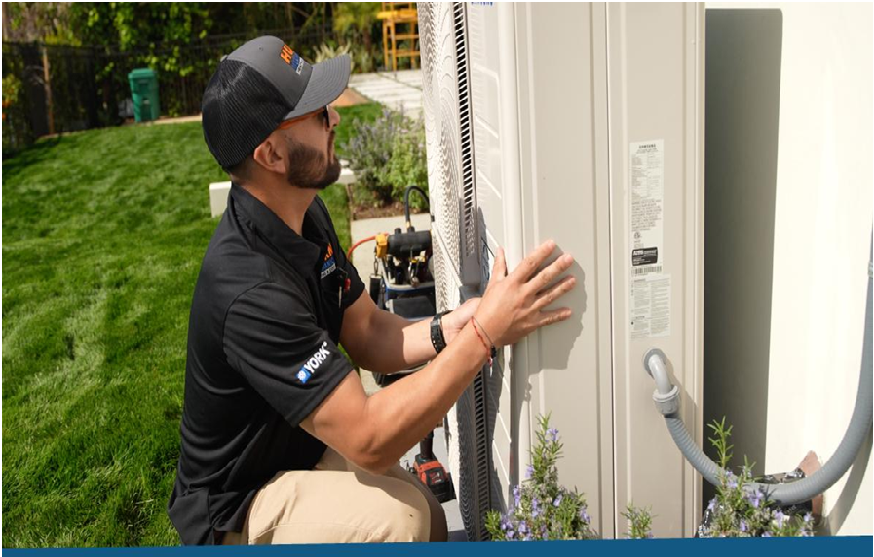
5. Letting Debris Collect Around the Outdoor Unit
Leaves, grass clippings, and dirt restrict the airflow your condenser needs to release heat. Because the unit sits outside and out of mind, it’s easy to overlook. Keep at least two feet of clearance around it, and gently rinse away buildup with a garden hose a few times each year.
6. Setting the Thermostat Incorrectly
Constantly adjusting the thermostat, or pushing it to extremes, makes your system cycle inefficiently and wastes energy. Instead, choose a comfortable, steady temperature and let a programmable or smart thermostat automate changes. Consistent settings are far easier on the equipment than dramatic swings.
7. Ignoring Refrigerant Issues
If your AC blows warm air or struggles to cool, low refrigerant may be to blame—often because of a leak. Refrigerant is not something homeowners should handle, as it requires certified equipment and training. Always call a licensed technician to find the leak and recharge the system correctly.
8. Forgetting to Clean the Coils
Condenser and evaporator coils collect grime that reduces efficiency and strains the compressor. Because they’re tucked away, they’re easy to neglect. While you can gently clean accessible areas, a thorough coil cleaning is best left to a professional during your annual service visit.
9. Attempting Complex DIY Repairs
Replacing a filter is fine; opening the electrical panel or handling sealed components is not. Well-meaning DIY repairs can cause injury, worsen the damage, or void your warranty. Handle the basics yourself, and leave electrical, refrigerant, and mechanical work to a qualified HVAC contractor.
10. Waiting Until the System Completely Fails
Perhaps the costliest mistake is treating your HVAC as “out of sight, out of mind” until it stops working entirely. Emergency replacements are expensive and stressful. Preventive HVAC care catches wear early, when repairs are smaller and far more affordable.
HVAC Care Tips for Long-Term Performance
A few consistent habits go a long way. Use these HVAC care tips to protect your investment:
- Follow a seasonal maintenance schedule, service cooling in spring and heating in fall.
- Keep both indoor and outdoor units clean and free of obstructions.
- Monitor your energy bills; a sudden spike often signals a hidden problem.
- Schedule regular professional inspections.
- Maintain steady airflow by keeping vents open and ducts unblocked.
Simple Preventive HVAC Care Checklist
Use this quick checklist for reliable HVAC system maintenance throughout the year:
- Inspect and replace air filters (monthly)
- Check thermostat settings and batteries
- Clear debris around the outdoor unit
- Inspect the condensate drain line for clogs
- Clean vents and registers
- Schedule an annual professional tune-up
Staying consistent with preventive HVAC care keeps small tasks from turning into big repairs.
Conclusion
Avoiding these common HVAC maintenance mistakes helps you stay comfortable, lower your repair costs, and get more years out of your equipment. The most effective approach pairs simple, routine DIY upkeep with regular professional inspections. For homeowners who prefer expert support, companies like Hurn Mechanical provide trusted HVAC maintenance and repair services. Stay proactive, and your system will reward you with dependable, efficient performance season after season.
Frequently Asked Questions
What is the most common HVAC maintenance mistake homeowners make?
A clogged filter restricts airflow, forces the system to work harder, raises energy bills, and can lead to overheating. Checking filters monthly and replacing them every 30 to 90 days is one of the easiest ways to protect your system.
How often should an HVAC system receive professional maintenance?
Most HVAC systems should receive professional maintenance at least once a year, and ideally twice, once before cooling season and once before heating season. Regular tune-ups catch small issues early, maintain efficiency, and often keep manufacturer warranties valid.
Can poor HVAC maintenance increase energy bills?
Yes. Dirty filters, clogged coils, and blocked airflow all force your system to work harder to reach the set temperature, which uses more energy. Consistent preventive HVAC care keeps the system running efficiently and helps keep monthly bills lower.