
During summer, some days the heat can get a little too much. It’s common for homeowners to wonder if something is wrong with their air conditioner. The HVAC system seems to run all day, the house isn’t cooling as quickly, and energy bills start to climb. The truth is that HVAC cooling performance naturally changes during extreme heat. Even a well-maintained air conditioner has to work harder when outdoor temperatures rise. Understanding why this happens can help you know when your system is performing normally and when it’s time to call a professional.
Let’s see how high temperatures affect your HVAC system, what signs to watch for, and how you can keep your home comfortable throughout the summer.
Why Extreme Heat Affects HVAC Cooling Performance
Your air conditioner doesn’t create cold air, it removes heat from inside your home and transfers it outdoors. When temperatures climb into the 90s or higher, the difference between the indoor and outdoor air becomes much greater. This means your cooling system has to remove more heat while working against hotter outdoor conditions.
As a result, the extreme heat impact on HVAC systems often includes:
- Longer cooling cycles
- Reduced efficiency
- Increased energy use
- More wear on system components
Is It Normal For An Air Conditioner To Run Constantly?
As a homeowner does your air conditioner run constantly during the summer? On extremely hot days, it’s perfectly normal for a cooling system to run much longer than it does during mild weather. In some cases, it may run almost continuously during the hottest part of the afternoon.
However, if your home never reaches the thermostat setting or your system runs around the clock for several days, it could indicate a problem such as:
- Dirty air filters
- Low refrigerant
- Blocked condenser coils
- Poor airflow
- An aging or undersized system
A professional inspection can help determine whether your system is operating as expected or needs repairs.
How Summer Heat Makes Your AC Work Harder
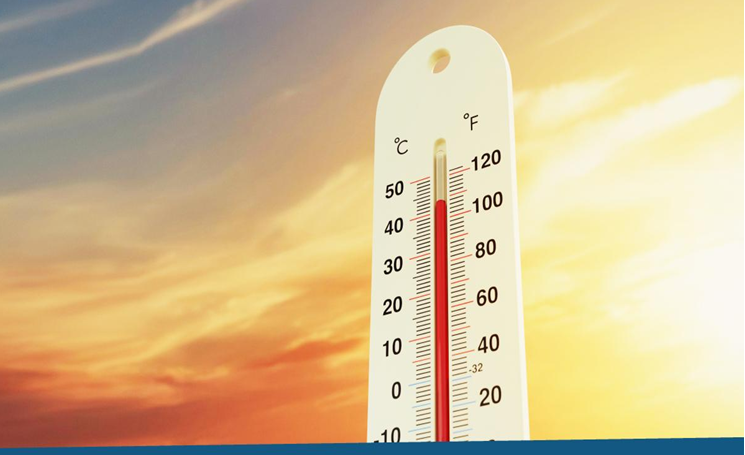
When it gets scorching outside, your AC has to work overtime to keep your home cool. Here is how that extra heat impacts your system:
- It Runs Longer: Your AC needs more time to pull the heat out of your home, so you’ll notice it staying on for longer stretches.
- Energy Bills Go Up: Because the system is running more often, your electricity usage will naturally increase.
- More Wear and Tear: Working hard for long periods puts extra stress on your AC’s motor, compressor, and fans.
- Higher Risk of Breakdowns: Small issues that wouldn’t matter in mild weather can turn into real problems when your system is pushed to its limits during a heatwave.
Staying on top of routine maintenance is the best way to handle this extra strain and avoid unexpected repairs.
Tips to Improve HVAC Efficiency in Hot Weather
While you can’t control the weather, you can help your HVAC system perform more efficiently.
Change Your Air Filter
A clean filter improves airflow and helps your system cool more effectively.
Keep Vents Open and Clear
Blocked vents force your HVAC system to work harder.
Close Blinds During Peak Sunlight
Reducing heat from direct sunlight lowers the cooling load inside your home.
Use Ceiling Fans
Fans help circulate cool air, making rooms feel more comfortable without lowering the thermostat.
Schedule Routine HVAC Maintenance
Professional maintenance keeps your system clean, efficient, and ready for peak summer demand.
These simple steps can improve HVAC efficiency in hot weather while helping reduce unnecessary wear on your system.
Read More: 10 HVAC Maintenance Mistakes Every Homeowner Should Avoid
When To Call An HVAC Professional?
While longer cooling cycles are often normal during extreme heat, some warning signs shouldn’t be ignored. Contact an HVAC professional if you notice:
- Warm air coming from your vents
- Weak airflow
- Unusual noises
- Water leaking around the unit
- Ice forming on refrigerant lines
- Constant cycling on and off
- Your home never reaches the thermostat setting
Addressing these issues early can prevent more expensive repairs later.
Protect Your Comfort All Summer Long
Extreme summer temperatures put every HVAC system to the test. Understanding how heat affects HVAC cooling performance can help you recognize what’s normal and when it’s time for service. Regular maintenance, timely repairs, and a properly functioning system all help keep your home comfortable even during San Diego’s hottest days.
Keep Your HVAC Performing at Its Best
Whether you need a seasonal tune-up, AC repair, or a complete system evaluation, Hurn Mechanical provides reliable heating and cooling services throughout San Diego County.
Turn to Hurn today to schedule your HVAC service and keep your home comfortable all summer long.
Call (619) 815-3378 | Visit Our Website
Frequently Asked Questions
Does extreme heat reduce HVAC cooling performance?
Yes, high outdoor temperatures make it harder for your HVAC system to remove heat from your home, which can lead to longer run times and reduced cooling efficiency.
Why is my air conditioner running constantly during summer?
During very hot weather, longer cooling cycles are often normal. However, if your AC runs continuously without reaching the desired temperature, it may need maintenance or repairs.
How can I improve HVAC efficiency in hot weather?
Changing air filters, keeping vents clear, closing blinds during peak sunlight, using ceiling fans, and scheduling regular HVAC maintenance can all improve system efficiency.
When should I have my HVAC system serviced?
Most HVAC professionals recommend scheduling maintenance at least once a year, ideally before the cooling season begins. Regular service helps improve performance, extend equipment life, and reduce the risk of breakdowns.
Read More: Why One-Size-Fits-All Homes Are Falling Out of Favor