

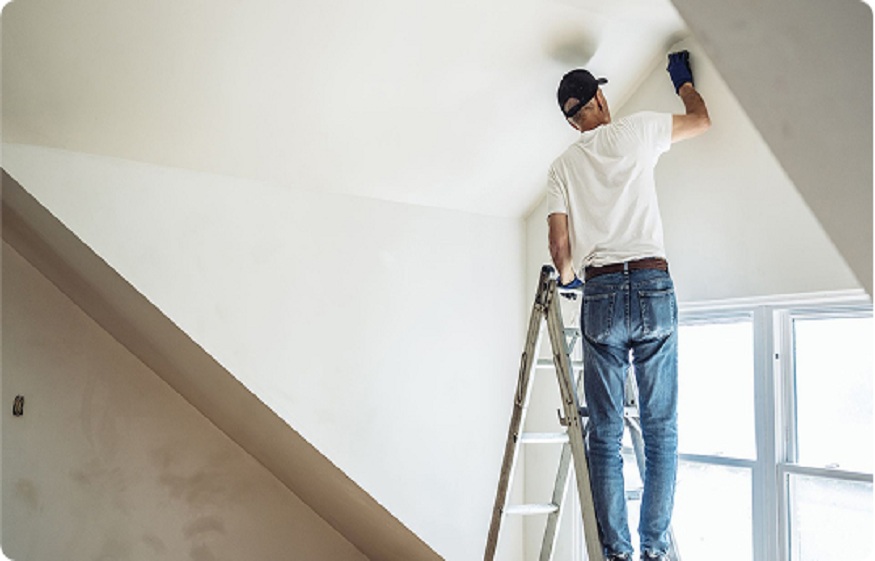
Unlike an interior room, an outdoor space is a variable-load environment. It faces UV radiation, moisture cycles, and sebum softening simultaneously. However, with a professional paint job, you ensure you achieve the same level of finish and durability as the kitchen or living area. Treating these surfaces as a casual weekend chore often results in peeling films, graying fibers, and wasted capital. When approached with an engineering mindset, each sub-area is transformed into a high-performance extension of the home’s building envelope.
1.Pergolas and Gazebos: Paint Work That Defeats Capillary Action
Overhead structures face a specific mechanical threat: Capillary Suction. Because the wood is oriented vertically and horizontally, water “climbs” into the joints where beams meet.
Read More: Why RO Water Purifiers are Ideal for Water Filtration?
- End-Grain Sealing: The cross-cut ends of a beam act like a bundle of open straws. Professionals apply a specialized wax-emulsion or triple-coats of stain to these “straws.”
- Structural Precision: Sealing these intake points stops water from wicking inches deep into the timber. This targeted intervention can extend the lifespan of an overhead structure by 400%, moving the focus from cosmetic touch-ups to structural preservation.
That way, Exterior House Painting experts help in closing the high-speed “conduits” that lead to internal rot. In timber engineering, the end-grain is the most vulnerable anatomical feature of the wood, and managing it is the difference between a structure that lasts 10 years and one that lasts 40.
2.Decks Painting: Mitigating Hydrostatic Stress
Decks are the most physically taxed horizontal surfaces in any property, enduring the dual assault of liquid pooling and high-friction foot traffic. Traditional “box-store” stains often fail because they create a surface film that traps moisture, leading to internal rot.
- The Hybrid Chemistry: Professionals utilize Trans-oxide Hybrid Stains. These contain microscopic metallic pigments that act like high-performance sunglasses for wood, blocking UV radiation while remaining thin enough to never peel.
- The “Bottom-Up” Breathability: By avoiding thick, plastic-like coatings, the wood can dissipate internal water vapor naturally. This prevents the “cooking” effect where trapped moisture boils under the sun, causing the wood cells to rupture and the finish to delaminate.
These help achieve a high-level engineering goal of substrate equilibrium while moving away from the idea of “covering” wood and toward the idea of regulating it.
3.Fence Painting: The Architectural Frame of Perception
A perimeter fence is the visual boundary of a property. If treated as a flat wall, it can make a yard feel restrictive or “caged.”
- Atmospheric Recession: Utilizing Matte, Dark Tones (such as deep charcoal or forest slate) leverages a principle of environmental psychology. These colors “recede” from the human eye, causing the boundary to visually disappear into the shadows of the foliage.
- The Infinite Boundary: By allowing the fence to “fade” into the background, the eye naturally focuses on the vibrant greenery in the foreground. This optical illusion creates an expansive, resort-style atmosphere, turning a structural necessity into a sophisticated design frame.
These two concepts help achieve a visual compression of space, effectively tricking the human brain into ignoring physical boundaries.
4.Gates and Trim Paint Job: The High-Touch Tactile Handshake
Gates and trim are the only exterior wood surfaces designed for constant human interaction. Standard deck stains often feel “tacky” or “grimy” on these surfaces due to the accumulation of skin oils.
- Sebum Resistance: Human hand oils (sebum) can chemically soften traditional wood stains; a silent chemical destroyer that most homeowners—and even many amateur painters—completely overlook. To counter this, gates are finished with Exterior Urethane-Alkyd Enamels.
- The Hard-Shell Finish: This creates a smooth, glass-like barrier that resists mechanical friction and stays “clean to the touch.” It ensures the entry point of the backyard feels like a high-end interior door—refined, durable, and luxurious.
Read More: Why Timely Residential Snow Removal Services
Expertise in surface chemistry and human interaction dynamics helps change the painting narrative from the idea of “outdoor wood” and toward the concept of resilience of a high-traffic interface.
In essence, the transition of how you approach outdoor painting- from ‘staining boards’ to ‘engineering an ecosystem’ is the ultimate ROI for a property owner. By addressing the unique and critical pain points for these outdoor surfaces, painting experts help liberate your backyard from its role as a maintenance burden to a high-performance, climate-resilient asset where every detail is calculated for decades of structural and aesthetic integrity.