

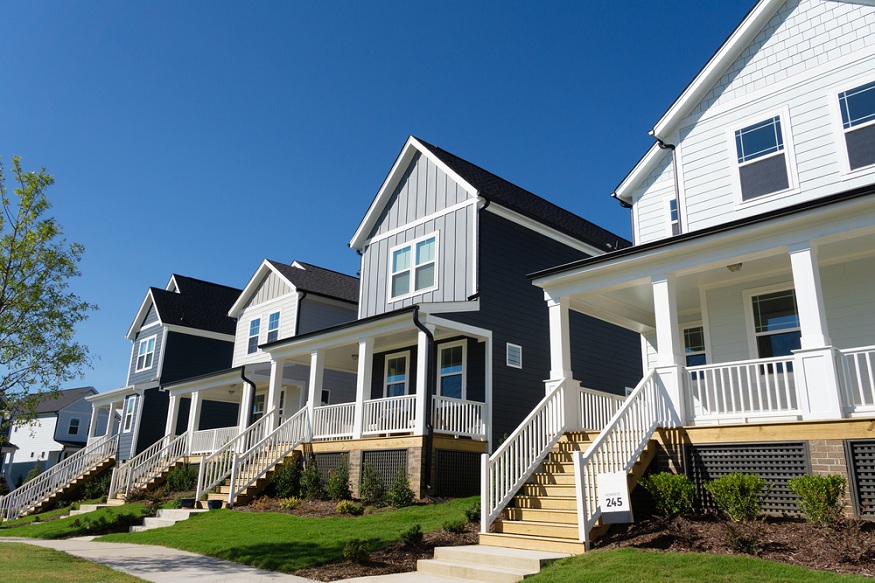
Nobody wants to live in a copy anymore. Drive through any suburb built in the last thirty years and you’ll see the same house repeated fifty times. Maybe the garage switches sides. Maybe one has brick while another has siding. But they’re basically identical boxes pretending to be different. Buyers are done with this nonsense. They want homes that fit their lifestyle. They don’t want outdated designs.
The Cookie-Cutter Problem
Builders love repeating the same design because it saves them money. Buy lumber in bulk. Train crews on one floor plan. Bang out forty houses in six months. Profitable for them, miserable for everyone else. Every family gets the same layout whether they have one kid or five. Whether they work from home or travel constantly. Whether Grandma lives with them or they’re empty nesters. The house doesn’t care about your life. You’re supposed to reshape your life around the house.
Read More: Why Timely Residential Snow Removal Services Matter for
Walk through these mass-produced homes and the waste becomes obvious. That formal dining room? Collects dust except for Thanksgiving. The breakfast nook nobody eats in because everyone grabs coffee and runs. Meanwhile, the actual spaces people need don’t exist. Where’s the home office? Where’s the mudroom for all that sports equipment? Why is the master closet the size of a phone booth when people own more than three shirts now?
Geography makes it worse. Builders drag the same tired plans from Phoenix to Pittsburgh. Never mind that desert living needs totally different features than dealing with snow six months a year. Texas families get basements they’ll never use. Minnesota families get tiny coat closets that can’t hold serious winter gear. It’s insane, but it keeps happening because builders will not change what’s been working for their bottom line.
Why Personalization Matters Now
Modern families have changed significantly. Some child-free couples have four dogs. Blended families juggle different custody schedules and need flexible rooms. Three generations might share one house to afford today’s prices. Work changed everything, too. Half the country works remotely. The spare bedroom now needs to be a functional office, not merely a corner with a desk. A garage can be the base of business operations for some people. Others teach yoga classes in what should’ve been the living room. Cookie-cutter houses cannot handle this stuff.
Dropping $400,000 on a house that’s wrong from day one feels foolish now. For nearly the same money, you could get exactly what works for your specific situation. That price gap between generic and custom keeps shrinking while people’s lives keep getting more complex and unique.
The Rise of Tailored Living Spaces
Fed-up buyers are ditching the subdivision game completely. They grab some land and start fresh with builders who actually listen. A custom home builder in the Houston area, like Jamestown Estate Homes, works with what families really need instead of forcing them into predetermined boxes that work for nobody.
Read More: Why RO Water Purifiers are Ideal for Water Filtration?
Building custom isn’t the hassle it used to be either. Software shows you exactly how everything will look before anyone picks up a hammer. Unique features can now be created cost-effectively because of new materials and techniques. Energy efficiency is incorporated from the beginning to prevent expensive later modifications. You get the house you desire, not the one a developer picked.
Conclusion
Mass-produced housing had its moment. That moment is over. People’s lives are too varied, too specific, too interesting to stuff into identical floor plans. The family with six kids needs different spaces than the couple with six cats. Remote workers need different layouts than road warriors. Builders who keep cranking out the same boring boxes will wonder where all their customers went. They went to builders who understand that one size fits nobody.